Discover the antioxidant-rich foods that promote health and longevity. Explore their benefits and how to incorporate them into your diet for optimal well-being.
“Antioxidants” is a term regularly used in health headlines and food marketing, but it’s much more than a trendy word to get you to eat certain things. Getting more antioxidants in your diet is good advice for anyone, and fortunately, it’s easy to do!
Should you take antioxidant supplements or is your diet enough? Here’s what to know about antioxidants, including the best places to find them.
What Are Antioxidants?
Antioxidants are natural substances found in foods that help protect our bodies from damage caused by harmful molecules called free radicals.
Free radicals can build up in our bodies due to things like pollution, smoking, or even normal processes like digestion (free radicals are byproducts). If too many free radicals are present, they can promote oxidative stress that harms our cells.
Over time, oxidative stress promotes accelerated aging and chronic diseases like cancer, heart problems, and neurodegenerative diseases.
Antioxidants act like shields, neutralizing free radicals and keeping our cells safe. You can think of antioxidants as “anti-oxidative stress” substances.
When our bodies have access to adequate antioxidants, this can help reduce our risk of developing various chronic diseases and even help promote youthful skin.

Total Antioxidant Capacity
You may see this term, especially if you’re nerdy like us, and read research studies comparing the antioxidant power of certain foods or substances.
Total Antioxidant Capacity (TAC) refers to the overall ability of a substance, such as a food or chemical compound, to neutralize free radicals or reactive oxygen species (ROS). It measures the cumulative effect of all antioxidants present in that substance, including vitamins, polyphenols, flavonoids, and enzymes.
TAC can help evaluate the antioxidant potential of diets, helping researchers understand how well they can protect cells and tissues from oxidative stress and associated damage.
Foods with high TAC are often rich in antioxidants like vitamins C and E, polyphenols, and flavonoids, which can help protect cells from damage linked to aging, inflammation, and chronic diseases.
However, TAC alone doesn’t determine how “good” a food is for overall health—it has to be considered alongside other factors like nutrient density, fiber content, and how the food fits into a balanced diet.
Spoiler alert: The foods with the highest antioxidant power are also the ones considered to be among the healthiest (full of other important nutrients like fiber and an array of vitamins and minerals).
Some of the everyday foods with the highest TAC include:
- Walnuts
- Pecans
- Apples
- Strawberries
- Blueberries
- Allspice
- Cloves
- Mint
- Rosemary
- Saffron
- Thyme
- Artichokes
- Kale
Common Antioxidants and Sources
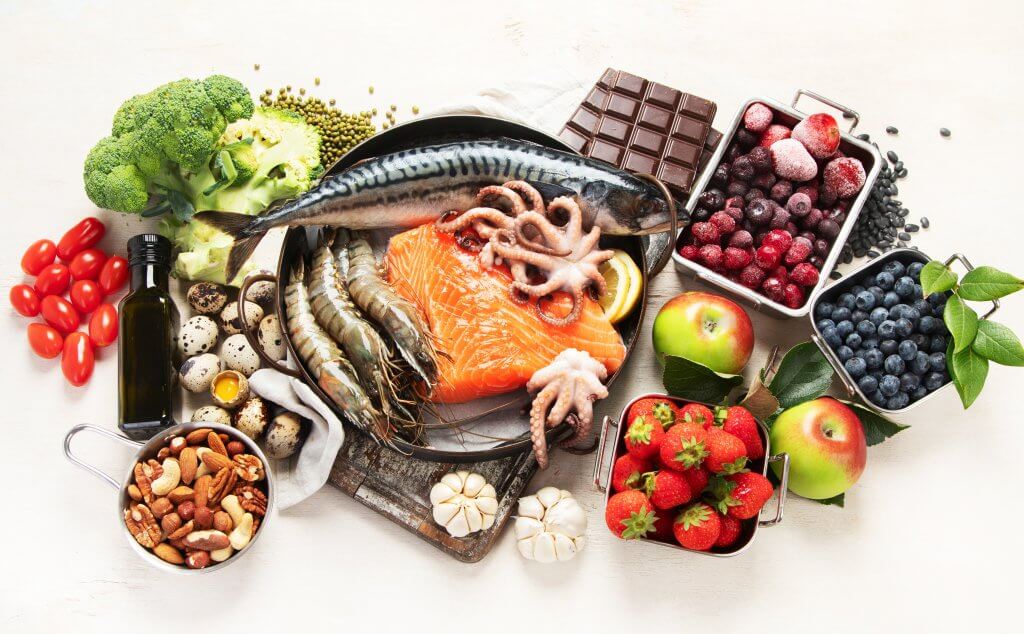
Antioxidants are widely found in colorful fruits, vegetables, and other plant foods, though there are some animal sources. Below are some common antioxidants and where to get them in your diet (many of which you probably already eat!).
- Vitamin C: Oranges, strawberries, bell peppers, broccoli, kale, kiwi
- Vitamin E: Almonds, sunflower seeds, spinach, avocado, peanuts
- Beta-Carotene: Carrots, sweet potatoes, pumpkin, spinach, kale
- Lycopene: Tomatoes, watermelon, pink grapefruit, red peppers
- Selenium: Brazil nuts, tuna, eggs, brown rice, sunflower seeds
- Flavonoids: Apples, berries (blueberries, strawberries), onions, dark chocolate, green tea
- Polyphenols: Red wine, green tea, dark chocolate, berries, coffee
- Lutein and Zeaxanthin: Spinach, kale, corn, eggs, zucchini
- Anthocyanins: Blueberries, blackberries, cherries, red cabbage, eggplant
- Resveratrol: Red grapes, red wine, peanuts, dark chocolate
- Astaxanthin: Pink-colored marine animals like salmon, shrimp, and krill
Should I Take Antioxidant Supplements?
While antioxidant supplements might seem like an easy way to boost health, getting antioxidants from whole foods is the best approach.
Because, again, foods like fruits, vegetables, nuts, and seeds provide not only a wide variety of antioxidants but other essential nutrients for overall health.
Furthermore, relying on supplements can pose risks. Taking high doses of isolated antioxidants may actually disrupt the body’s natural balance and, in some cases, increase the risk of certain diseases, such as cancer or heart problems.
Research on Antioxidant Supplement Risks
Studies have found that taking certain antioxidants in supplemental form can be risky for health. Here are a few of the highlights:
- Increased risk of certain cancers: High doses of beta-carotene supplements have been linked to an increased risk of lung cancer in smokers (regardless of the tar or nicotine content of the cigarettes they smoke).
- Harmful effects on heart health: Some studies suggest that vitamin E supplements, when taken in high doses, may increase the risk of heart failure or all-cause mortality.
- Reduced effectiveness of exercise benefits: Overuse of antioxidant supplements (such as vitamins C and E) may blunt the positive effects of exercise, like improving insulin sensitivity and enhancing muscle adaptation.
- Potential interactions with medications: Antioxidant supplements can interact with certain medications (e.g., blood thinners or chemotherapy drugs), reducing their effectiveness or leading to harmful side effects.
Additionally, supplements simply can’t provide the same protective benefits as whole foods, because food sources offer a more complex, synergistic mix of nutrients that can’t be replicated in a pill.
Antioxidant Supplement Safety Concerns
On another note, one reason we rarely recommend a supplements-first approach is because they’re not regulated by the FDA in the same way as pharmaceuticals. Supplements are sort of the “Wild West” in that they don’t require clinical trials (like drugs do) before being sold to consumers, instead putting the safety ownness fully on the manufacturer (and trust on the consumers).
In other words, you don’t always really know what you’re going to get in a supplement.
If you do take supplements of any kind, a good practice is to always look for ones that have been third-party tested by an independent organization like NSF International, USP, or ConsumerLab, verifying their safety, purity, and quality. Products that have undergone this testing will bear a certification seal on their packaging.
Therefore, it’s best to prioritize antioxidant-rich foods and use supplements only when recommended by a healthcare provider, like a registered dietitian.
At the end of the day, antioxidants are an important aspect of supporting long-term health and quality of life. Just be sure to prioritize getting them from whole foods sources.
If you found this post helpful, we think you should read these too:
- Red Dye 40: Should You Avoid Foods with Red Dye?
- The Importance of Vitamin D: Sources, Benefits, and How to Ensure You’re Getting Enough
- Colostrum Supplements for Immunity and Gut Health: Fact or Fiction?
- Adaptogenic Foods and Drinks: How to Manage Your Stress with Your Diet


