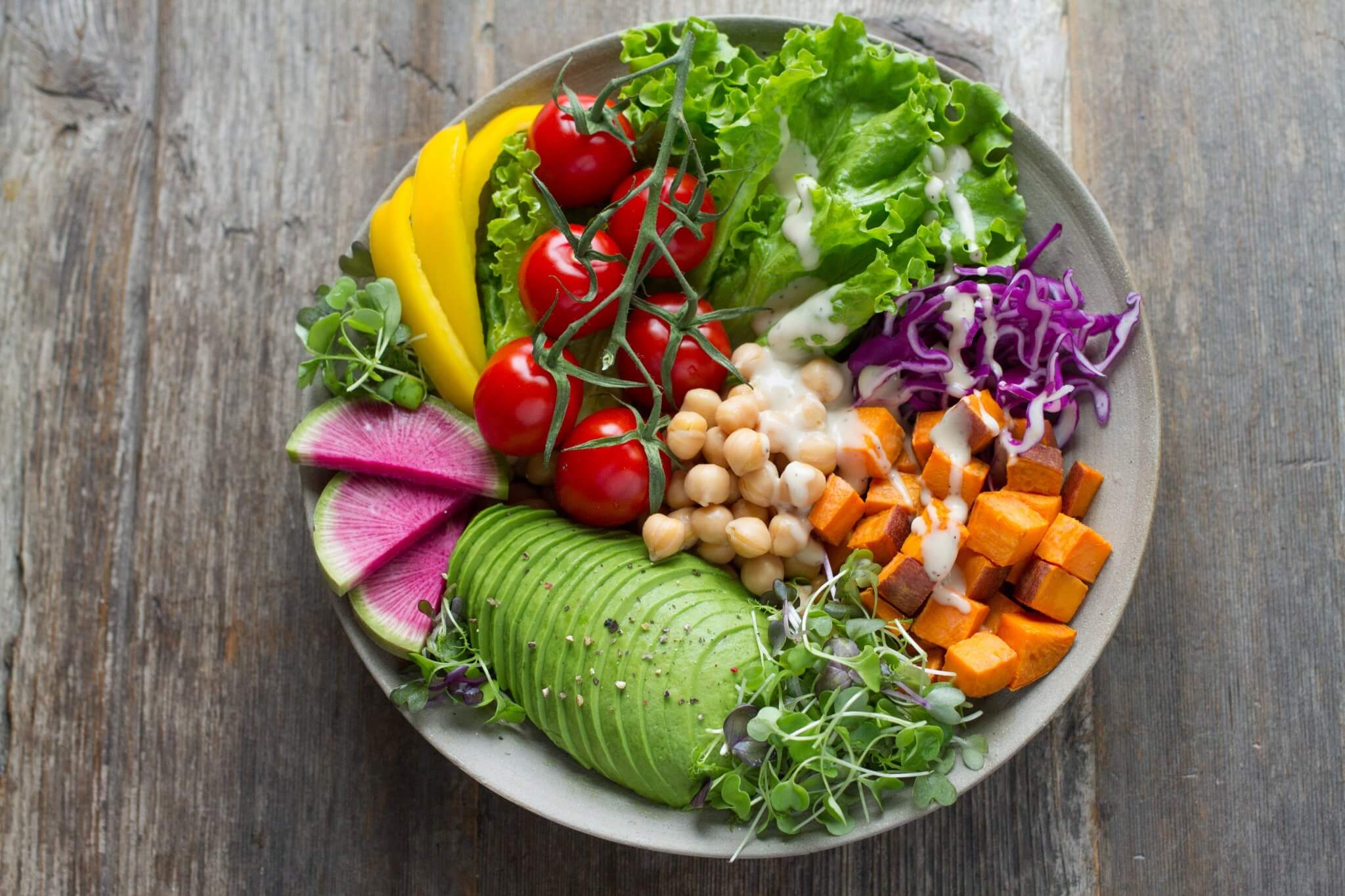
Veganuary 2026 is right around the corner. What is Veganuary? Why should you consider doing it? Learn why people go vegan in January and how to try it yourself.

Founded by Matthew Glover and Jane Land, the first Veganuary was officially celebrated in 2014 by around 3,000 people in the United Kingdom. It has grown in size every year, with millions of people participating in it worldwide.
If you are interested in adopting a plant based lifestyle, you’ve probably heard of Veganuary before, particularly around the end of each year as everyone starts thinking about New Year’s Resolutions – which are most often health-related goals.
If you’re considering the plant-based food trend, Veganuary may be the perfect first step. Not sure where to start? You’re in the right place to learn what Veganuary is, how to do it, and grab the resources you need.
Disclaimer: The Food Trends is a participant in the Amazon Services LLC Associates Program, an affiliate advertising program designed to provide a way for websites to earn advertising revenues by advertising and linking to Amazon.com.
What is Veganuary?
Veganuary is a charity organization and a free movement you can participate in. It relies on the donations it receives to carry out projects, but donating is 100% optional to take part. That being said, you can choose to donate to Veganuary any time of the year.
The name “Veganuary” is a combination of Vegan + January. It’s an opportunity to try going vegan during the first 31 days of the year and consider continuing it for the remainder. That’s it.
It gives the vegan curious a way to explore the eating pattern to see if it works for them as a long-term lifestyle.
In addition to individual participation in Veganuary, the movement has also influenced retailers, especially those based in the United Kingdom. Many launch new vegan products and deals that coincide with all the hype around Veganuary. So it can be a great time to get special pricing or discounts on vegan products you want to try!
While based in the UK, Veganuary also has offices in the USA, Germany, India, Chile, Argentina, and Brazil. Additionally, this vegan organization partners with non-government organizations in Italy, Australia, France, Switzerland, South Africa, and Singapore with plans for continued global expansion.
Veganuary is just one of many efforts to spread awareness about the many benefits of going vegan and make it accessible to anyone interested in trying it out.
Okay, But What is a Vegan Diet?
If you’re not familiar with what it means to go vegan, it is a way of eating (and living) that excludes animal products and animal byproducts. This includes meat, poultry, fish and seafood, dairy products, eggs, and honey.
Instead, a vegan diet is based on plant foods, including fruits, vegetables, nuts, seeds, legumes, and grains.
If that sounds restrictive, trust me, you can do plenty with plant foods to satisfy your appetite and fuel your body – especially today. If you don’t want to eat animal products, you don’t have to. (Or, you might consider cultivated meat soon instead).
For most people, eating vegan eventually also extends into their lifestyle. For example, they may avoid supporting companies that test products on animals and purchase clothing, shoes, and personal care products that are made with animal-free materials.
Advantages of Becoming Vegan
Why go vegan, anyway? Well, there are typically three main reasons why someone chooses to adopt a plant-based diet. Most people start with one of these reasons and end up learning about the other two, which continues to fuel their desire to eat this way.
Here are the three major advantages of becoming vegan:
Health Benefits
Evidence shows that a well-planned vegan diet rich in variety and based on whole plant foods can reduce your risk for chronic diseases like type 2 diabetes, heart disease, obesity, and certain cancers.
There are many reasons for this, as plant foods:
- Contain zero cholesterol and very little to no saturated and trans fats (with the exception of coconut and palm oils).
- They are the only natural source of fiber, an essential nutrient that only 5% of American adults get enough of in their diet.
- Contribute an abundance of antioxidants, compounds that help protect cellular health from oxidative stress, which promotes damage and disease.
- Contain a wide variety of vitamins and minerals that are essential for supporting your body’s everyday functions and long-term health outcomes.
Read Lauren’s article on Medium for a more in-depth look at the many evidence-based health benefits of adopting a plant-based diet.
Environmental Benefits
Going vegan is a simple way to help reduce your carbon footprint, meaning it lowers the amount of greenhouse gases you’re personally responsible for emitting into the atmosphere.
Industrialized animal agriculture is a major source of carbon emissions, methane, and nitrous oxide — gases that contribute significantly to global warming.
Furthermore, raising animals for food requires huge amounts of natural resources, like water, land, and feed, all of which put a strain on the planet.
By switching to a plant-based diet, you’re directly reducing demand for these resources. This shift can help reduce deforestation (many wooded areas, like the Amazon rainforest, are cut down simply to create land for animals to graze), water pollution (creating “dead zones” in the ocean where there isn’t enough oxygen for life), and energy consumption associated with meat and dairy production.
A vegan diet offers a practical way to contribute positively to climate action, aligning your personal health goals with the added benefit of supporting a more sustainable environment.
Ethical Benefits
The way we have evolved to mass produce animals in an industrialized environment (called concentrated animal feeding operations or “factory farms”) doesn’t align with what most people would view as ethical.
There’s a major difference between someone personally hunting an animal to feed their family and purchasing commercially produced animal meat from the grocery store. However, both of these scenarios result in what many people who go vegan see as the unnecessary killing of animals for food.
Add the horrendous living conditions and treatment of factory-farmed animals, and it’s pretty unbearable to accept. As Paul McCartney said, “If slaughterhouses had glass walls, everyone would be vegetarian.”
The fact is that humans do not require animals in their diet for survival, so if consuming them feels like an ethical misalignment for you, going vegan may make sense.
Can a Vegan Diet Meet My Nutritional Needs?
Short answer: yes!
If you’ve been curious about plant-based diets but are concerned about meeting your nutritional needs, rest assured that research shows it’s totally possible to meet (and in many cases, exceed) nutrient requirements.
Protein is often the first question, as most people attribute this nutrient to meat, dairy, and eggs. While animal products can be rich sources of protein, so can plant foods. Great sources include legumes, nuts, seeds, seitan, and soy foods. Not to mention, protein deficiency is incredibly rare in the United States. As long as you’re getting enough calories in a day, you’re more than likely getting enough protein.
There are a few micronutrients that can benefit from extra attention as an herbivore, but that doesn’t mean a vegan diet isn’t healthy. For example, every vegan should supplement with vitamin B12, while extra vitamin D and omega-3s can also be a good idea (and there are lots of vegan vitamins and supplements out there).
The main factor in meeting your nutrition needs with a plant-based diet is your inclusion of a wide variety of nutrient-dense foods (e.g., not relying on vegan convenience foods as the foundation of your diet) and taking the appropriate supplements.
If you’re uncertain about ensuring adequate nutrition on a vegan diet, we recommend consulting with a plant-based registered dietitian for personalized guidance.

Veganuary 2026 Resources For You
If you’ve been looking for a sign to try a new food trend in your life, perhaps Veganuary 2026 is it. You might be pleasantly surprised by how you feel after 31 days of a new habit, whether you decide to keep going or not.
To assist you in your veg journey, we’ve created several resources for quick reference:
- Why Plant-Based?, a resource to help respond to questions about your diet choices with confidence
- 11 Plant-Based Proteins, which highlights excellent plant protein sources and how to use them
- 6 Priority Nutrients on a Plant-Based Diet, to help you ensure you’re not missing out on critical nutrients
- Vegan Substitutions Cheat Sheet, to help you replace animal products on your plate with great plant-based alternatives
- 30 Easy & Healthy Vegan Snack Ideas, categorized into sweet, savory, and high-protein
- Plant-Based Grocery List, to help make your plant-based shopping trip more efficient
Want to grab them all? We’ve also created the Vegan Resource Bundle, which includes all 6 tools in one!