

Disclaimer: The Food Trends is a participant in the Amazon Services LLC Associates Program, an affiliate advertising program designed to provide a way for websites to earn advertising revenues by advertising and linking to Amazon.com.
You may have heard that you should “eat more fermented foods”. But, maybe you are not quite sure what that means or what foods are fermented. We are taking a look at the benefits of fermented foods for your health, the top 10 fermented foods we recommend, and how you can easily include them in your routine (plus some tasty fermented food recipes and products to try!).
What is a fermented food?
Fermentation is an age-old practice initially used to preserve food. The process of fermentation may be familiar to you as it is the same process used to make beer.
Basically, it involves allowing natural bacteria or yeasts to convert sugars and starches into acids or alcohol under controlled conditions. Fermentation is the reason why beer is bubbly and has alcohol in it. The yeast “eat” the grains in the beer and their waste product is bubbles and alcohol. So yea, when you drink beer you are drinking yeast waste. YUM!
Fermentation also helps improve the nutritional profile of food. When a food is fermented it becomes a rich source of gut-healthy probiotics, increases the bioavailability of vitamins and minerals, and also creates new nutrients like B vitamins and antioxidants.
But fermented foods have even more benefits beyond preservation and improved nutrition.

Health benefits of fermented foods
Fermented foods are rich in probiotics, beneficial bacteria that support a healthy gut, and have many other health benefits. A balanced gut microbiome is important for digestion, immune function, and even mental health. Consuming fermented foods regularly can:
Improve digestive health
Your digestive system is loaded with trillions of bacteria that help you digest your food. Digestive health is connected to the presence and balance of these bacteria. Probiotics, found in fermented foods, are healthy bacteria that can help maintain this balance. Beneficial bacteria help break down food more efficiently and reduce common digestive issues like bloating, gas, and constipation.
Boosts immunity
You might be surprised to learn that a lot of your immune system lives in your gut. The healthy bacteria (microbiome) that live inside your gut have a direct communication line to your immune cells, called the gut-brain access. This means a healthy and diverse microbiome enhances immune response, making it easier to prevent and fight off infection.
Supports mental health
You might not think that your brain and gut are connected. However, there is a strong connection between gut health and mental well-being, called the gut-brain axis. When the microbiome is well balanced this can help reduce anxiety, depression, and stress levels.
Enhances nutrient bioavailability
Bioavailability is how well your body can absorb and use the vitamins, minerals, and antioxidants from food. Fermentation can increase the bioavailability of nutrients, such as B vitamins, omega-3 fatty acids, and minerals like magnesium and zinc.
May support weight management
Some studies have found that probiotics can help boost metabolism and reduce fat absorption from food, which may contribute to a healthier weight. It has also been found that overweight people tend to have a different microbial profile than people who have a healthier body weight, but we are still learning exactly what
that means for your weight loss efforts.
Top 10 fermented foods
I am a big fermented food fan. It can be used to make a variety of different types of food and beverages beyond beer. Even plant-based meat can be made through fermentation. Here are the top 10 fermented foods that I recommend adding to your routine (the top 3 are my personal favorites!)
Kombucha
A fermented tea beverage that contains a variety of probiotics and antioxidants and is known for its detoxifying effects. It is my go-to choice for social situations where I don’t want to drink, as it has the same sour taste as alcohol. Health-Ade is my favorite brand.


Sauerkraut
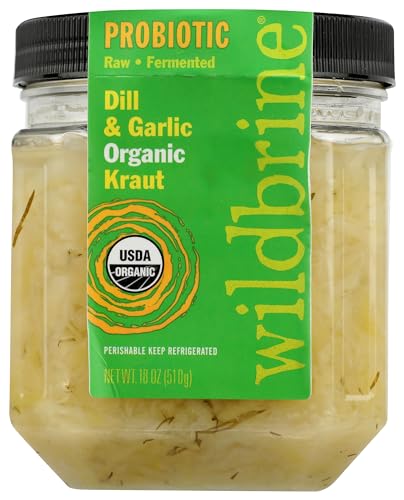
Sauerkraut is fermented cabbage with a distinct sour taste. It is high in fiber, vitamins C and K, and beneficial bacteria. I try to eat a side of sauerkraut with most meals, I really love it. Even my kiddo is a fan! My favorite brand is Wild Brine, which comes in lots of tasty flavors. (They make kimchi and fermented hot sauce too.)
Pickles
Pickles are always a fan favorite at my house. But the shelf-stable pickles you find in the grocery store are typically not fermented. You have to specifically look for fermented pickles (or other vegetables) to reap the benefits. Olive My Pickle offers this great variety pack.

Yogurt
Yogurt is probably the most common fermented food that many of us are used to. When buying yogurt always check that the label says “contains live active cultures”.
Kefir
Similar to yogurt just made in a slightly different way, kefir is a tangy, fermented milk drink rich in probiotics and enzymes, known for its gut-healing properties.
Sourdough bread
Made using a fermented starter, sourdough bread is easier to digest than regular bread and contains beneficial lactic acid bacteria. And it tastes damn good with some high-quality butter.
Kimchi
A spicy Korean side dish made from fermented vegetables, particularly cabbage, and radishes, loaded with vitamins and probiotics.
Miso
A Japanese seasoning made from fermented soybeans, miso is a great source of protein, vitamins, and probiotics.
Tempeh
Another soybean-based food, tempeh is fermented into a firm, protein-rich cake, often used as a meat substitute.
Natto
A traditional Japanese food made from fermented soybeans, natto is high in probiotics and nattokinase, an enzyme with benefits for heart health.
Fermented foods recipes
Making your own fermented foods may be a path you want to journey on (remember how everyone was making sourdough during Covid?).
Here are a few fermented foods recipes from around the web that may help you get inspired.
Homemade Cabbage Kimchi
This recipe from She’s Cookin looks so pretty with all the different colors. And it’s versatile too so you can use whatever firm veggies work for you!
Fermented Vegetable Roundup
This recipe round-up by the Nourished Kitchen has a whole variety of plant-forward fermented recipes, like salsa, hot sauce, and jalapenos.
Sparkling Cider
Want to make your own homemade probiotic-rich sparkling cider? The Kitchn has you covered with this recipe.
Personally, my life purpose does not involve fermenting foods at home, particularly when there are so many easily accessible and tasty options out there. But if yours is, you do you!
Should you try fermented foods?
Fermentation is a simple, natural process that transforms food into even better-for-you foods. Take a look at our 10 fermented foods choices and take your pick or experiment with your own fermented foods recipes. No matter how you do fermentation, these foods are a great addition to your routine and it’s no surprise they are a major food trend.


