
Disclaimer: The Food Trends is a participant in the Amazon Services LLC Associates Program, an affiliate advertising program designed to provide a way for websites to earn advertising revenues by advertising and linking to Amazon.com.

As someone who has been in therapy for years and on antidepressants a few times in my life, thanks to a cocktail of traumas, I recently became more interested in the world of natural mood boosters.
Not because I have anything against prescriptions for depression and anxiety when it makes sense, but because I’m curious about what other options we have to help support our mental health in general.
Is there such a thing as mood-boosting supplements? I mean, you see products all over the place that are essentially labeled as non-pharmaceutical happy pills. But what evidence is there behind them, really? Glad you asked. I’ve done the research for you.
Here are 5 of the most popular mood-boosting supplements out there and whether evidence says they’re worth a shot.
St. John’s Wort
St. John’s Wort is an herbal plant with many medicinal uses but is best known for its role in supporting mood. It contains several active compounds, including hypericin, hyperforin, and flavonoids, which are believed to contribute to its antidepressant effects.
It’s thought to work by increasing levels of neurotransmitters in your brain, like serotonin, dopamine, and norepinephrine, similarly to how antidepressant drugs work. It also works by binding to GABA receptors.
In many studies using St. John’s Wort for mild to moderate depression, we see doses of 300 mg of standardized extract (containing 0.3% hypericin) taken three times daily, totaling 900 mg per day.
Evidence
Overall, there’s moderate evidence supporting the effectiveness of St. John’s Wort in reducing symptoms of mild to moderate depression. However, it can interact with various medications, especially those that affect serotonin levels or are metabolized by the liver. Using it with other antidepressant medications may cause serotonin syndrome, which can be life-threatening.
Omega-3 Fatty Acids
Omega-3s are a type of essential polyunsaturated fat. The human body cannot produce them, so we have to get them through our diet. The main omega-3s are Eicosapentaenoic Acid (EPA), Docosahexaenoic Acid (DHA), and their precursor, Alpha-Linolenic Acid (ALA).
While the best place to find omega-3s in your diet is by eating fatty fish (like salmon, tuna, and mackerel), not everyone eats seafood (myself included). Herbivores and fish-free eaters can get ALA from plant foods, like ground flax seed, chia seeds, and walnuts, but the conversion rate from ALA to EPA and DHA is very low, around 3-6%, and most people don’t get much this way.
In these cases, adding a DHA/EPA supplement can be helpful for your mental health and otherwise (omega-3s are good for heart, brain, and eye health and reducing inflammation, too). There are even plant-derived options made from microalgae, which (spoiler alert) is where the fish in your fish oil get their omega-3s first.
There’s no standard dosage, but much of the scientific community advises getting 250-500 mg of combined EPA and DHA per day for general health and up to 1-3 grams per day for depression.
Evidence
Strong evidence supports the use of omega-3 fatty acids for improving mood and reducing symptoms of depression, especially when combined with other treatments.

Saffron
Saffron spice is harvested by hand from the dried stigmas of the Crocus sativus flower. It has a bold yellow color and flavor and is often used in Indian and Middle Eastern cooking (OMG I LOVE SAFFRON RICE).
Saffron contains active compounds, particularly crocin and safranal, which may influence the levels of serotonin and dopamine in your brain. It also has antioxidant and anti-inflammatory properties that help reduce oxidative stress and inflammation.
Plus, some studies suggest that saffron spice may support neuroplasticity, which is the brain’s ability to adapt and reorganize itself. Also helpful for mood.
Many studies use 15 mg to 30 mg per day of saffron to help improve mood, which may take several weeks.
Evidence
Emerging evidence suggests saffron spice may help alleviate symptoms of depression and anxiety. Some studies say it is as effective as antidepressant medications.


Rhodiola Rosea
Also known as golden root or Arctic root, Rhodiola rosea is an adaptogenic plant, which means it helps your body adapt and better respond to stressors.
It’s also been used to improve physical and mental performance and combat fatigue and depression, particularly in how it affects serotonin and dopamine levels.
Effective dosages for Rhodiola rosea generally range from 200 mg to 600 mg per day, divided into one or two doses.
Evidence
Rhodiola Rosea has some evidence supporting its use for improving mood and helping to manage stress.

Vitamin D
Vitamin D, AKA the “sunshine vitamin,” is important for brain health and may influence mood through a variety of mechanisms.
Research indicates that people with depression often have lower levels of vitamin D. Not having enough vitamin D is associated with impaired serotonin regulation. In fact, the areas in your brain that are responsible for behavior and mood are packed with vitamin D receptors. Vitamin D also has anti-inflammatory properties.
Studies show that vitamin D supplementation can help improve symptoms of depression, especially among people who are deficient in the nutrient.
The only way to know whether you’re lacking in vitamin D is to have your blood levels checked. This will tell you whether a maintenance dose is adequate or if you have a deficiency to correct. In some cases, ≥800 IU daily is enough, while others may be prescribed a significantly higher dose.
Evidence
There is some evidence linking low vitamin D levels to depression and mood disorders. Supplementing with vitamin D may help improve mood, especially in individuals with low levels.

Other Natural Mood Boosters
Look, as much as we’re told that our bodies and health conditions are compartmentalized, they’re not. At the end of the day, there are numerous things (never ONE thing) influencing how you feel right now mentally, emotionally, and physically. And while some of these things are non-modifiable (like your genetics or age), plenty of other factors can be modified.
In addition to considering mood-boosting supplements, here are some everyday lifestyle habits that have been proven to help support a healthier mood:
- Regular Exercise: Get moving, friends. Engaging in physical activity, such as walking, jogging, swimming, biking, or crashing a group fitness class, can increase endorphins (feel-good brain chemicals) and serotonin levels, which improve mood and reduce symptoms of anxiety and depression. Experts recommend getting at least 150-300 minutes (2.5-5 hours) per week of moderate to intense exercise plus at least 2 days per week of strength training for overall health benefits.
- Nutrition: Consuming a balanced diet rich in fruits, vegetables, whole grains, lean proteins, and healthy fats supports overall brain health and mood stability. Foods high in omega-3 fatty acids, like fish and flaxseeds, and those rich in antioxidants, like berries and cruciferous veggies, are particularly beneficial. While you’re at it, ditch the ultra-processed foods and sugary beverages as much as you can – while they’re nice at the moment, they’re not doing anything for your long-term mental wellness.
- Adequate Sleep: Maintaining a regular sleep schedule and ensuring you get quality sleep helps regulate mood and cognitive function. Poor sleep can contribute to mood disorders and affect overall well-being. Experts recommend adults get 7-9 hours of quality sleep per night. If this feels like a stretch, do what you can to improve your sleep hygiene (follow a regular sleep-wake schedule, wear breathable layers, get cozy bedding, and stop doom-scrolling until 1am).
- Mindfulness and Meditation: Practicing mindfulness, meditation, or deep-breathing exercises can help reduce stress and improve mood by promoting relaxation and emotional resilience. Easier said than done, I know, but it works.
- Social Connections: Building and maintaining strong social relationships can provide emotional support, make you feel less lonely, and improve mood. Stay connected with people who lift you up, even if you’re an introvert like me.
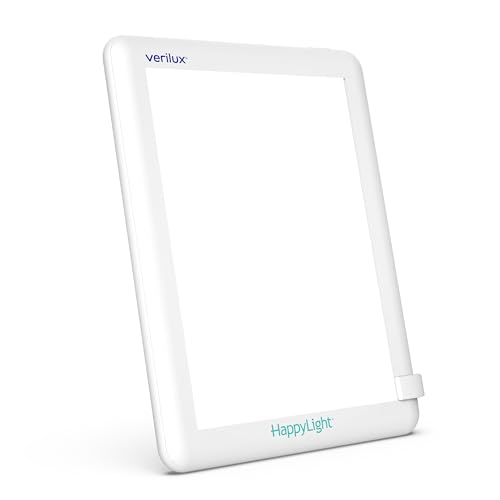
- Outdoor Time: Spending time in nature and getting regular sun on your face can enhance mood and help regulate circadian rhythms. Sunlight helps increase serotonin and vitamin D levels and supports overall mental health. Live in a cloudy place? Start your day with some time in front of a Happy Light!
- Hobbies: Make space for activities you enjoy, whether it’s painting, gardening, or playing music. This can provide a sense of accomplishment and joy, boosting mood and reducing stress. Try something new that brings you more happiness than self-criticism.
Should You Try Mood-Boosting Supplements?
Certain mood-boosting supplements may actually work to help support a happier mood and overall better mental health, particularly when they’re used along with other healthy lifestyle habits. Just be aware that even herbal supplements can pose the risk of side effects and interactions that are important to be aware of before adding them to your routine,
There’s never one specific thing that will fix it all, and it’s important to look at your mental health from a broader lens. Still, there’s likely little risk associated with supplementing with saffron spice, vitamin D, or omega-3s for most people. Many of them come in adult gummies (as you see in my photos!) and other easy-to-take forms.
If you have clinical depression, anxiety, or other mental health concerns that warrant antidepressant use, it remains important to use them as directed. Never adjust or discontinue antidepressants without talking to your healthcare provider first.


